This document synthesizes the contributions of each of the 12 Amplify Hubs, first by presenting diagnoses of the issues that project participants discussed as most affecting underrepresented communities across Europe.
By means of inspiring stories, identified and refined arguments and recommendations, this publication hopes to contribute to a larger ongoing conversation on the future of the arts sector and the place of arts funding in it.
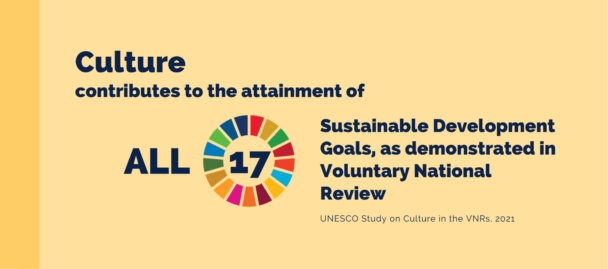
This monthly Tracker is produced by UNESCO to monitor culture in public policy with regards to the UN Sustainable Development Agenda. It highlights developments within national and regional contexts, as well as emerging debates on culture’s contribution to sustainable development.
The report “Cultural Actions Supporting Gender Equality in Cities and Territories” is a contribution from the cultural perspective to address women’s rights and gender responsive policies for sustainable development.
On the occasion of his new book, Performing Mourning, Laments in Contemporary Art, the Vienna based dance dramaturg Guy Cools discussed (on 3 November 2021) contemporary art practices in literature, visual and performing arts that use mourning as a source for activism.
This publication, developed by Culture Action Europe and its membership, offers an overview of the place of culture in the National Recovery and Resilience Plans (NRRPs) of the Member States of the European Union.
Culture is considered an important pillar of the EU as it significantly contributes to social cohesion, building a common sense of belonging and promoting shared values and cultural diversity. For that reason, the Treaty of the Functioning of the EU defines culture as a cross-cutting area that builds bridges and synergies to other policy areas. As a result, a wide range of European funding instruments is open for cultural and creative projects and complements the support that is provided by Creative Europe, the EU’s main programme addressing the cultural, creative and audiovisual sector across Europe.
The publication tackles the benefits of participative projects that were discussed during the seminar hosted by Kulturfabrik and COOPERATIONS in Luxembourg in March 2020. The seminar brought together 60 cultural professionals from across Europe working with arts education to share best practices and methodologies of participative activities. The following publication offers a deeper look into the main objectives and findings of the seminar.