The Nordic Culture Fund launches Funding Culture for a Changing World, a two-volume publication series that reflects on the future of international cultural cooperation and the need to rethink funding models in a changing global context.
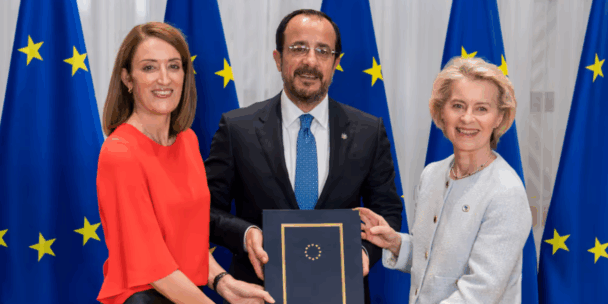
EU institutions have signed the Joint Declaration on culture, agreeing a long-term strategic vision for culture at the heart of Europe. We warmly welcome the Joint Declaration and now call for its commitments to be supported with the financial backing necessary in the next long-term EU budget to realise its goals.
The first meeting of the Artistic Freedom action group will take place on 11 June 2026. If you are actively working on artistic freedom, join us to share information, exchange experiences and build capacity together.
As the trilogues approach, the European Parliament is consolidating its positions on key funding programmes shaping the next MFF. Among them, AgoraEU stands out as a central framework for supporting culture and socially impactful projects, raising questions about what’s new and why it matters.
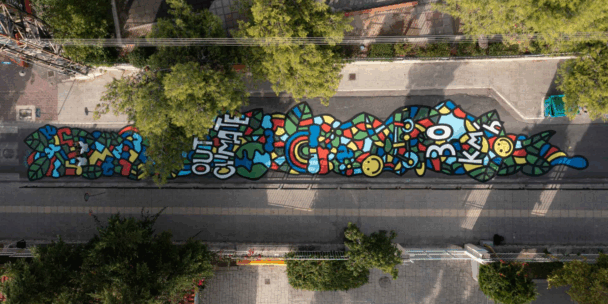
This Lunchtime Session, presented by Jazz Solidarity Network (Greece), introduces the Outta Climate Festival, a participatory cultural initiative operating at the intersection of art, music, and sustainable urban mobility, inviting reflections on how similar approaches can be adapted and developed across different European contexts.
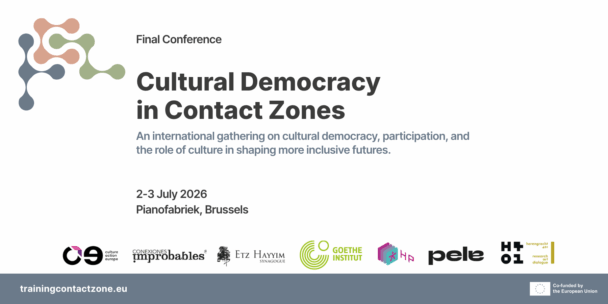
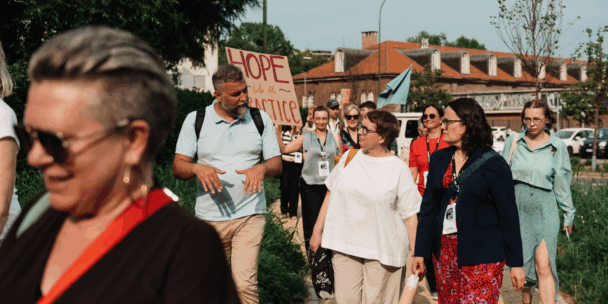
Join us 2-3 July in Brussels to explore how different identities and perspectives can shape a common future at the conference, “Cultural Democracy in Contact Zones.”
A Digital Democracy Preference Toolkit has been released building upon the perspectives of almost 500 European citizens and governmental actors to illustrate how to advance digital citizens’ participation.
Socially engaged arts are collaborative, community-centred practices where artists and participants co-create artistic responses to social, environmental, and political issues. But how does that actually work on the ground? We’ve put together a reflective blog post to explore what these practices look like in action.