Over 550 organisations call on the EU Council to preserve and defend a robust AgoraEU budget
Over 550 organisations call on the EU Council to preserve and defend a robust AgoraEU budget
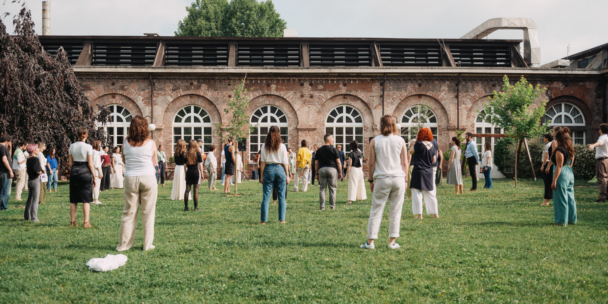
More than 200 cultural organisations across Europe are calling on EU Member States to reverse the proposed cuts to Creative Europe’s annual budget for 2027. An open letter was initiated and coordinated by Culture Action Europe. →
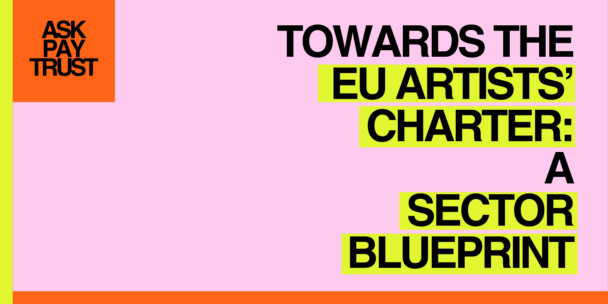
Over the past five months CAE’s action group on working conditions, co-facilitated by Platform ACCT, wrote the paper ‘Towards the EU Artists’ Charter: A Sector Blueprint.’ It is our contribution to the forthcoming official document of the European Commission, the EU Artists’ Charter, that we expect mid-2027.

An extract from a special edition of the Brussels Decoder, Culture Action Europe’s monthly members-only publication, providing an overview of National and Regional Partnership Plans (NRPPs) in the next long-term EU budget, why it matters, and what action(s) can be taken to strengthen culture’s presence.
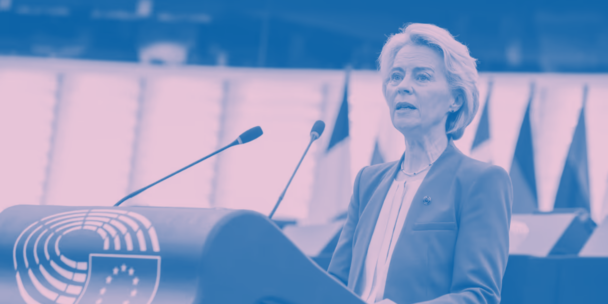
CAE has sent a letter to EC President Ursula von der Leyen ahead of this year’s State of the Union address to call on the Commission to match the political recognition given to culture in the Culture Compass and Joint Declaration with clear political action. Read the letter here in full!
Ahead of the next EU Work Plan for Culture, Culture Action Europe has developed a set of recommendations for the Council of the EU, shaped by discussions from the BEYOND Satellites 2026.
Culture Action Europe has joined a coalition of over 150 cultural organisations, networks, and institutions from across Europe in signing an open letter addressed to EU policymakers calling for a stronger budget for the Culture strand in AgoraEU as part of the next long-term EU budget.
Culture Action Europe prepared recommendations for the Work Plan for Culture 2027-2030 based on extensive, decentralised consultations with its members.